
// OpenBIM / IFC
Operational Benefits of Using Structured IFC in a BIM Project
Published on 8 January 2025 · 3 min read · CADatWORK Learning
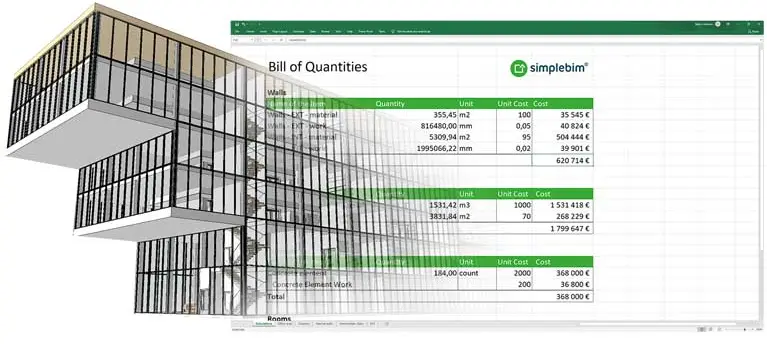
With SIMPLEBIM and our technical support!
Introduction
As the construction sector undergoes digital transformation, Building Information Modeling (BIM) is establishing itself as an indispensable tool. One of the pivotal standards for ensuring interoperability between the various parties in a project is the Industry Foundation Classes (IFC) format. This article explores the operational benefits of using structured IFC within a BIM project.
What is the IFC format?
The IFC format is an open standard, developed by buildingSMART International, that allows BIM project data to be exchanged and shared in a structured, interoperable way. Unlike proprietary formats, IFC is designed to be used by a variety of software tools without any loss of information.
1. Stronger Interoperability
One of the major benefits of using IFC is that it allows different stakeholders (architects, engineers, contractors) to use a variety of software tools while sharing consistent digital models. Structured IFC files ensure that essential information, such as material properties or geometric data, is correctly interpreted by each application.
2. Optimised Data Management
Structured IFC files allow for a clear organisation of project data, making it easier to use. Categories such as spaces, building elements and technical systems are precisely defined, reducing misinterpretation and improving the traceability of information.
3. Improved Coordination
In a BIM project, coordination between the various stakeholders is essential. Using structured IFC files makes it easier to detect conflicts (clash detection) thanks to a standardised representation of the models. This allows issues to be resolved before construction begins, avoiding delays and extra costs.
4. Data Longevity
As an open format, IFC ensures data longevity. IFC files can be consulted and used even if the software used to create them becomes obsolete. This guarantees continued access to information throughout the building's life cycle.
5. Compliance with Standards and Regulations
Many national and international regulations encourage, or even require, the use of the IFC format in BIM projects. Adopting structured IFC files helps meet these requirements while improving the quality and accuracy of the data transmitted.
6. Adaptability with Software such as Simplebim
A tool like Simplebim offers advanced capabilities for generating structured IFC files tailored to specific needs. Simplebim allows IFC data to be filtered, enriched and restructured according to the precise requirements of a given BIM deliverable. For example, it is possible to create a custom model for an energy analysis or a cost estimate, keeping only the relevant information. This reduces model complexity while improving their relevance for each phase of the project.
Case Study: Using IFC in a Construction Project
Take the example of a renovation project for a commercial building. Using structured IFC files enabled:
- Better collaboration between the architecture team and the climate engineering specialists thanks to a single model.
- An accurate analysis of energy performance by leveraging the data defined in the IFC file.
- Simplified management of changes during the design and execution phases.
- Customisation of deliverables thanks to Simplebim, which made it possible to create targeted models for the needs of the different stakeholders.
Conclusion
Using structured IFC within a BIM project offers significant operational benefits: interoperability, optimised data management, improved coordination, data longevity and regulatory compliance. By fully embedding this standard in their practices, construction industry players can improve the quality and efficiency of their projects while reducing risks and costs. Adding tools like Simplebim further strengthens these benefits by making it possible to create bespoke IFC files, perfectly tailored to the requirements of each BIM deliverable.
For any questions about Simplebim, contact Mickael AUQUE via our Contact page
Key takeaways
- Better collaboration between the architecture team and the climate engineering specialists thanks to a single model.
- An accurate analysis of energy performance by leveraging the data defined in the IFC file.
- Simplified management of changes during the design and execution phases.
- Customisation of deliverables thanks to Simplebim, which made it possible to create targeted models for the needs of the different stakeholders.
A project, a question?
Our interventions are built on your production context.
Contact us