
// Revit
Training and Methodology for REVIT
Published on 6 January 2025 · 3 min read · CADatWORK Learning
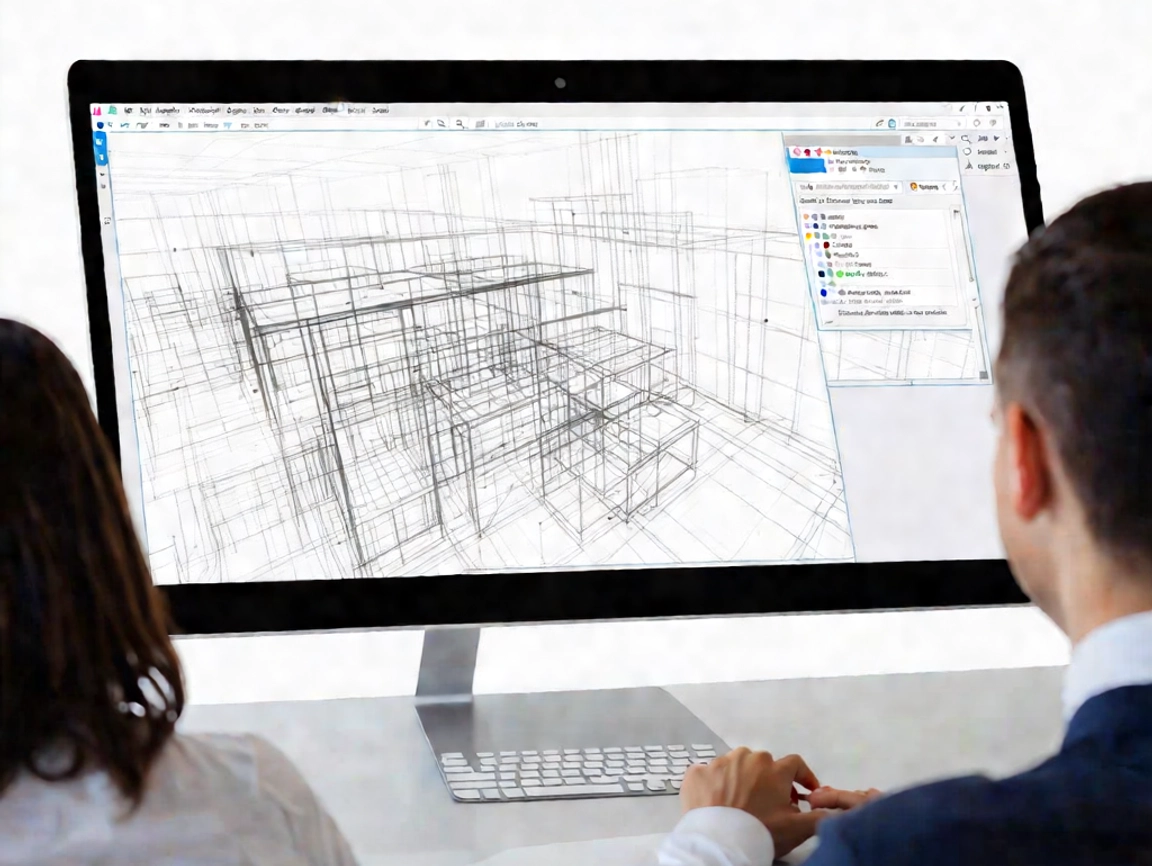
Train with us!
The importance of training to model a Revit project with an efficient methodology
In the field of design and construction, digital tools such as Revit have become indispensable. However, using them effectively depends on one key skill: mastering modelling methodology. Training in Revit is not just about learning basic commands; it is above all about understanding how to structure a project to maximise productivity, accuracy and collaboration.
1. Understanding the stakes of Revit training
Revit, as the flagship Building Information Modeling (BIM) software, offers a multitude of features for architectural, structural and MEP (Mechanical, Electrical and Plumbing) modelling. However, without appropriate training, these tools can be under-used or misused, leading to errors, wasted time and overall inefficiency.
1.1 Data accuracy
Revit relies on a single digital model that centralises all project information. A clear methodology ensures that the data entered is consistent, accurate and usable by all stakeholders. Poor data entry or inappropriate structuring can have major consequences for a project's cost and schedule.
1.2 Cross-disciplinary collaboration
In a BIM environment, several disciplines work on the same model. Training makes it possible to master collaborative workflows, such as file exchange, conflict (clash) management and coordination between different trades.
2. The benefits of a structured methodology
Adopting an efficient methodology when modelling in Revit brings several benefits:
2.1 Time savings
A clear project organisation, with templates, custom families and pre-defined parameters, reduces the time spent creating or modifying elements. Training teaches you how to automate certain tasks and optimise your workflow.
2.2 Fewer errors
A good methodology prevents common mistakes, such as inconsistencies between plans, sections and elevations. It also ensures better management of project versions and updates.
2.3 Improved quality
With clearly defined standards and well-understood processes, the deliverables produced are more accurate and of higher quality, which strengthens client satisfaction and the team's reputation.
3. The key steps to successful training
To get the most out of Revit, a well-designed training programme should cover the following aspects:
3.1 Mastering the basics
Before tackling complex concepts, it is essential to understand the basics: navigating the interface, creating simple elements, managing views and levels.
3.2 Learning to structure a project
This includes managing templates, families, phases and design options. Training will help you organise your model so that it is clear and easy to work with.
3.3 Exploring advanced workflows
Topics such as shared parameters, Dynamo scripts and integration with other software (Navisworks, AutoCAD) should be covered for those who want to go further.
3.4 Practising on real projects
Effective training includes practical exercises based on real-world cases. This allows theoretical concepts to be applied and a thorough understanding of the tools to be developed.
4. Conclusion
In a constantly evolving sector, Revit training and mastering an efficient methodology are not just an asset, but a necessity. They make it possible to work faster, reduce errors and produce high-quality projects. Investing in training means investing in the competitiveness and longevity of your projects.
Key takeaways
- Topics such as shared parameters, Dynamo scripts and integration with other software (Navisworks, AutoCAD) should be covered for those who want to go further.
- Effective training includes practical exercises based on real-world cases. This allows theoretical concepts to be applied and a thorough understanding of the tools to be developed.
- In a constantly evolving sector, Revit training and mastering an efficient methodology are not just an asset, but a necessity. They make it possible to work faster, reduce errors and produce high-quality projects. Investing in training means investing in the competitiveness and longevity of your projects.
A project, a question?
Our interventions are built on your production context.
Contact us